
What Makes a Photograph Worth Living With?
Some photographs make an immediate impression. Others quietly reveal more with time. In this essay, Antonio Crutchley reflects on why the images we choose to live with often become more meaningful as our lives, memories, and perspective continue to evolve.
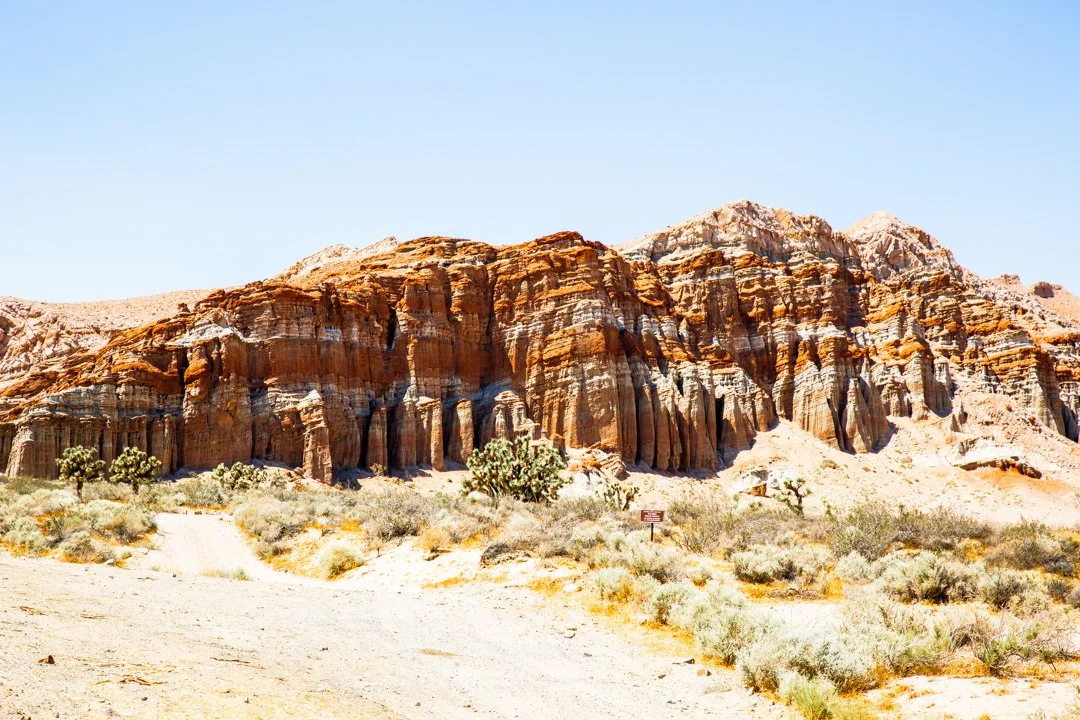
Red Rock Cliffs of the Southwest
There are photographs that immediately capture our attention, and there are photographs that continue to hold it.
We live in a world saturated with images. Every day, we scroll past countless photographs—some created by artists, others generated by artificial intelligence—all competing for our attention. Add in bold colors, dramatic light, and spectacular destinations, and it's easy to believe that a powerful first impression is what makes a photograph truly memorable.
But living with a photograph is a very different experience.
Unlike the images we glance at on our phones for a few seconds, the photographs we choose to hang in our homes become part of our everyday lives. We pass them each morning. We notice how they change as the light moves through the room. Sometimes we stop and study them. Other times, they quietly exist in the background until, weeks or even years later, we notice something we hadn’t seen before.
For me, a photograph worth living with isn't one that demands your attention every time you see it. It's one that quietly rewards you for coming back to it.
A Photograph Should Invite You Back
The photographs I return to most often are rarely the ones that reveal everything at first glance.
Instead, they reward curiosity.
Each time I come back to them, I notice something I hadn't seen before.
A subtle shift in light.
An overlooked texture.
A quiet relationship between shapes.
The photograph hasn't changed.
I have.
Perhaps that's one of the reasons I enjoy living with photography. The longer I spend with an image, the more opportunities it has to surprise me.
I've found that the same qualities that reward patience while making a photograph often reward patience while living with one.
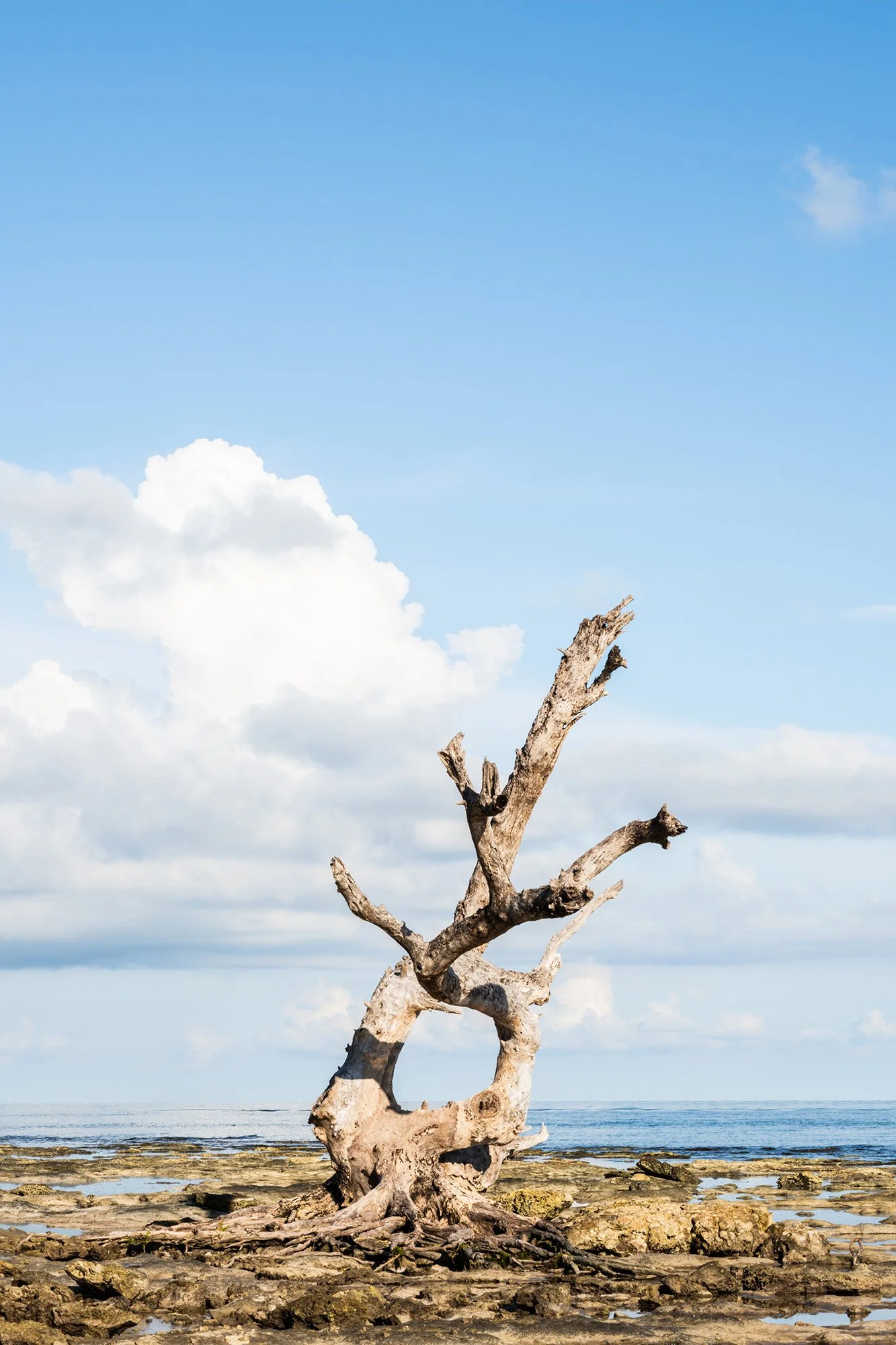
Weathered Sentinel at Low Tide
Quiet Photographs Have a Long Life
We live in a time when almost every image is competing for our attention.
Social media rewards photographs that stop us mid-scroll. Bigger skies. Brighter colors. More dramatic light. Even artificial intelligence can now generate scenes designed to be more spectacular than reality.
There's nothing inherently wrong with that.
Some dramatic photographs are genuinely extraordinary.
But over the years, I've found myself drawn to a different kind of image.
The photographs I return to are usually quieter.
They don't compete with the room they're in.
They don't demand my attention every time I walk past.
Instead, they invite me to slow down.
To notice.
To reflect.
I think that's why they stay with us for so long.
Rather than overwhelming the space, they become part of it.
That philosophy has shaped much of my own work. I don't photograph landscapes simply because they're dramatic. I'm more interested in the quieter moments—when light, atmosphere, and composition come together in a way that feels natural rather than forced.
The Photographs That Grow With Us
One of the things I find most fascinating about living with art is that the artwork itself never changes.
The print on the wall is exactly the same as the day it was framed.
But we aren't.
As life moves forward, so do we.
Our experiences deepen. Our memories become richer. The way we see the world quietly shifts, often without us realizing it.
Because of that, a photograph can mean something entirely different years after we first bring it home.
A landscape that once reminded us of a memorable trip may later remind us of a different season of life. A photograph that once brought a sense of calm might eventually evoke gratitude, nostalgia, or even longing.
The image hasn't changed.
We have.
And perhaps that's one of the quiet gifts of living with photography.
The longer a photograph shares our lives, the more our own experiences become part of the way we see it.
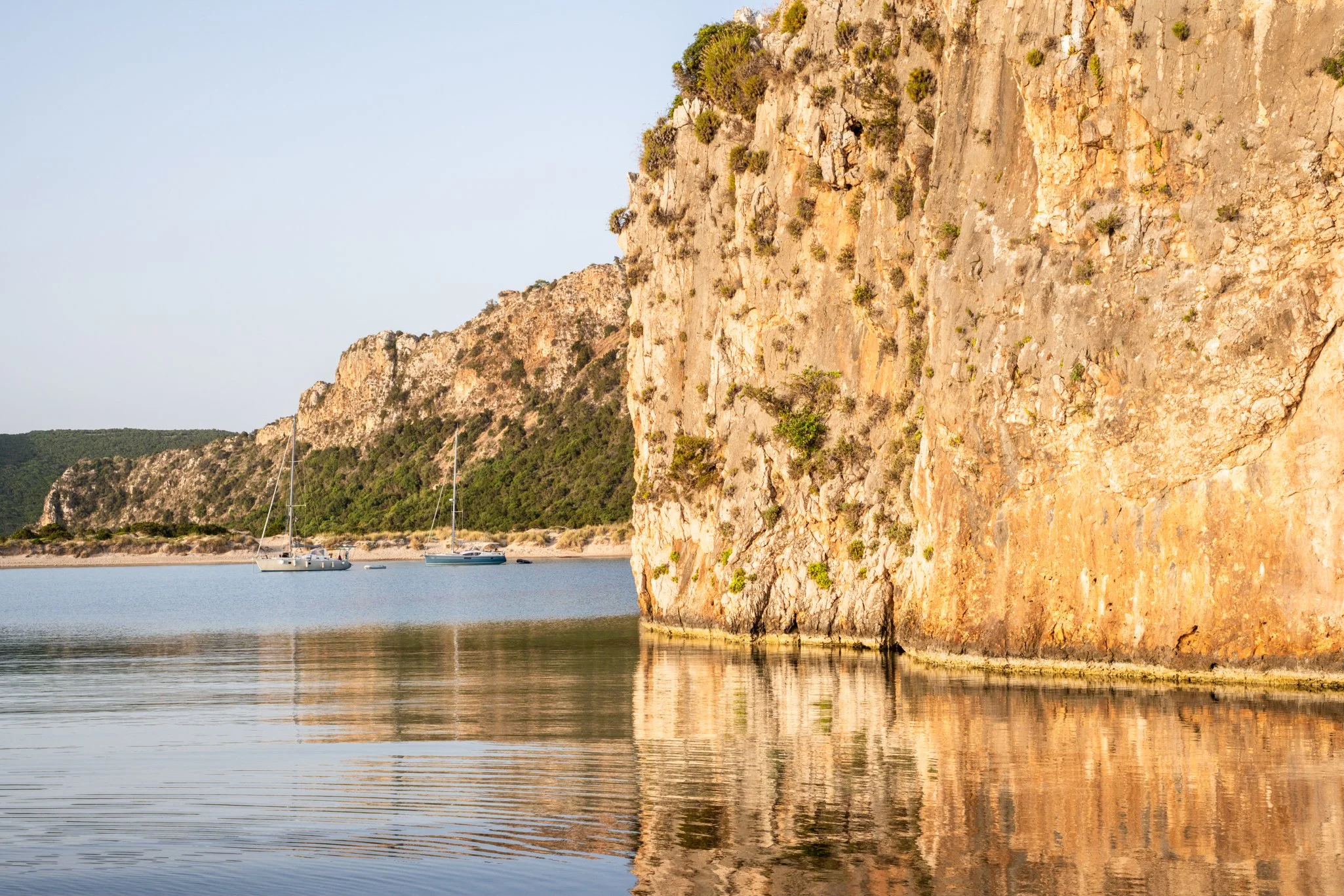
Voidokilia Reflection
Simplicity Leaves Room to Breathe
When I edit my own work, I usually end up taking things out instead of adding more.
I simplify compositions.
I wait for softer light.
I look for fewer distractions.
It's not that simplicity is easier. It gives the viewer room to slow down and discover the photograph at their own pace.
When every part of a photograph competes for attention, our eyes quickly become tired.
But when a composition feels balanced and intentional, we can return to it again and again without feeling overwhelmed.
I value that sense of visual breathing room, both in my photography and in the spaces where photographs are displayed.
Choosing Photographs That Grow With You
Choosing a photograph for your home is about more than filling an empty wall.
It's an invitation to live with an image—to see it in the changing light of morning, to pass it every day, and to let it quietly become part of your surroundings.
The photographs that stay with us are often the ones that continue to reveal something over time.
Perhaps it's the quality of light.
Perhaps it's a detail you hadn't noticed before.
Perhaps it's a memory the image awakens.
Or perhaps it's simply the sense of stillness it brings to a room.
Whatever the reason, the photographs we return to most often are rarely the ones that demanded our attention from the beginning.
They're the ones that continue to reward it.
For me, those are the photographs worth living with.
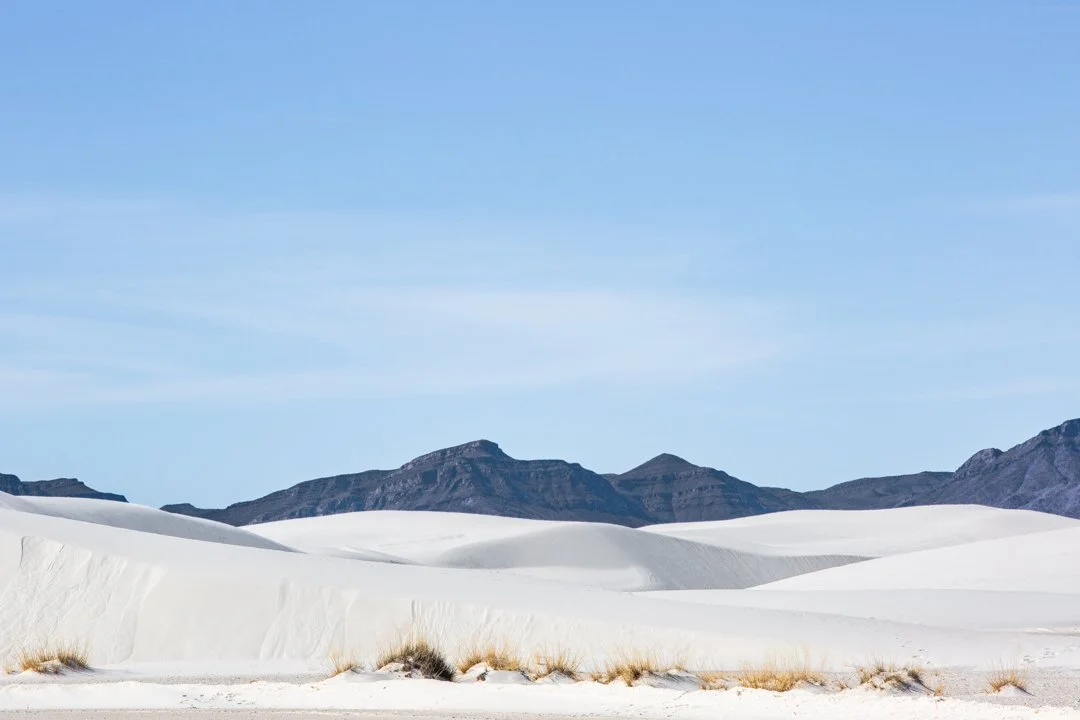
White Sands and Distant Mountains
Final Thoughts
I don't create photographs with the hope that they will make someone pause for a few seconds.
I create them with the hope that they will continue to reward attention long after that first impression has faded.
Over the years, the landscape has taught me that observation takes time.
The more patiently we look, the more there is to see.
Perhaps living with a photograph should feel the same way.
The best photographs aren't simply looked at.
They're returned to.
Again and again.
And with each return, they quietly become part of the life unfolding around them.
Why I Photograph the Same Places More Than Once
Many photographers are drawn to new destinations and unfamiliar landscapes. Over time, I discovered that some of my most meaningful photographs came from returning to familiar places. This reflection explores how revisiting landscapes shaped the way I see, observe, and photograph the world.
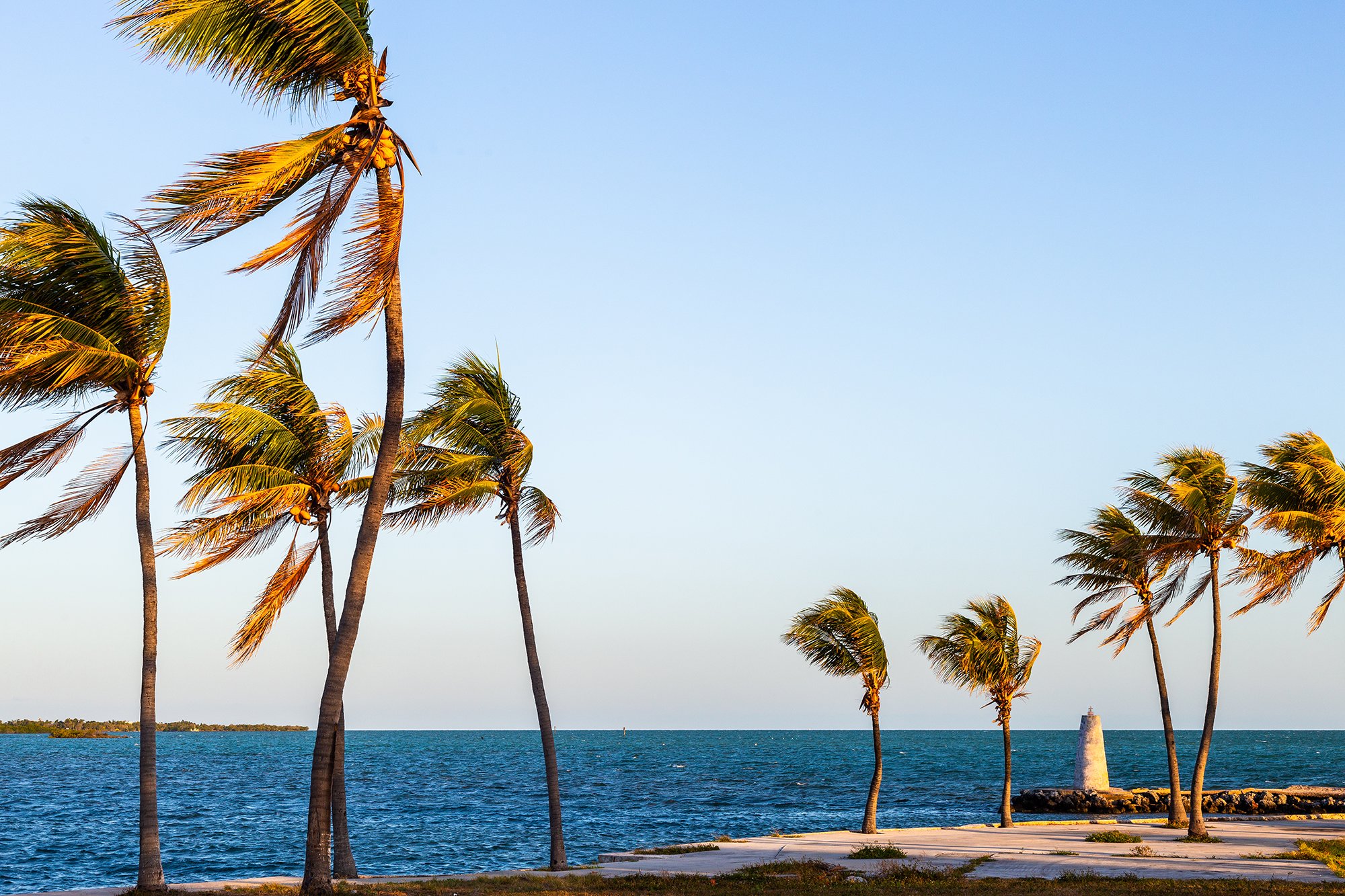
Palms and Beacon, Marathon Key
There is a common assumption that photographers are always searching for somewhere new.
New destinations. New landscapes. New experiences.
Photography often celebrates discovery. Social media rewards novelty. Travel guides encourage us to move quickly from one location to the next, collecting experiences along the way. The message is clear: the next photograph is somewhere else.
For many years, I believed that too.
But over time, I discovered something different.
Some of the most meaningful photographs I have made were not the result of finding a new place. They came from returning to familiar ones.
The more I revisited a landscape, the more I realized that it was never truly the same twice.
Light changed. The weather changed. Seasons changed. And perhaps most importantly, I changed.
The longer I spent with a place, the more it had to teach me.
“The photographs that matter most to me were not the result of a single moment. They were the result of returning.”
Looking Beyond the First Impression
The first time we visit a landscape, we often notice what is obvious.
The grand view.
The dramatic light.
The landmark everyone photographs.
There is nothing wrong with that. First impressions can be powerful.
But they are often incomplete.
When I return to a location for a second or third visit, I begin to notice details that were invisible to me before. The way shadows move across a landscape. The relationship between foreground and distance. The subtle changes in atmosphere that shape a scene's mood.
Familiarity creates space for observation.
Instead of searching for a photograph, I begin to understand a place.
White Sands and Distant Mountains
Discovering the Value of Returning
This lesson did not begin in the American Southwest or along the Mediterranean coast.
It began years earlier while I was living in Southern California.
Many of the landscapes I photographed there became places I returned to again and again. Some visits were separated by weeks, others by months, and a few by years.
The first visit was often about discovery.
The second visit was about understanding.
By the third or fourth visit, I found myself paying attention to entirely different things. The way morning fog transformed a coastline. How seasonal changes altered the character of a landscape. How shifting light revealed relationships between form, texture, and space that I had overlooked before.
Those experiences changed the way I approach fine art photography.
They taught me that landscapes reveal themselves gradually.
Not all at once.
The Florida Keys
The Florida Keys reinforced that lesson.
Places like Bahia Honda State Park, Seven Mile Bridge, and the coastlines surrounding Marathon became familiar over time. I visited them in different seasons, under different weather conditions, and at different times of day.
Some visits produced photographs.
Many did not.
But every visit taught me something.
I learned that changing tides can alter a composition. How cloud cover softened the horizon. How subtle differences in light could transform an ordinary scene into something memorable.
The photographs that eventually emerged were shaped by those observations.
They were not the result of a single moment.
They were the result of returning.
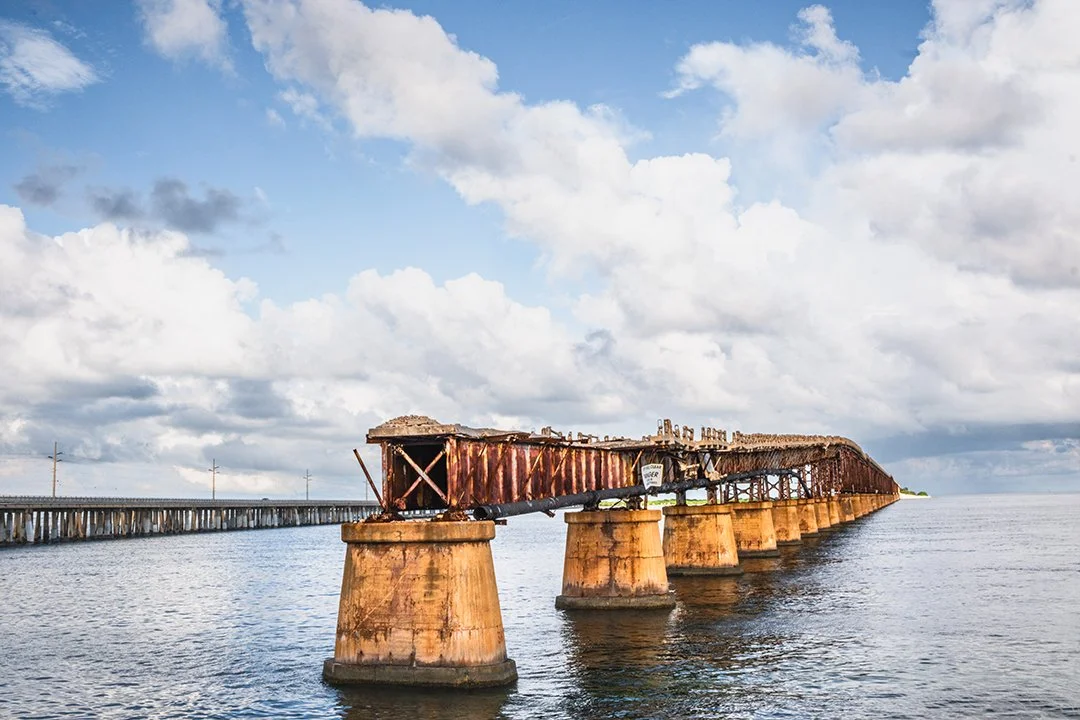
Old Bahia Honda Rail Bridge
Carrying The Lesson Forward
Ironically, some of the photographs that now appear in my collections were created during my first visits.
Many of the images in my Southwest and Quiet Horizons collections were photographed during a single journey.
Yet the lesson of returning remained.
Because even when I encounter a place for the first time, I approach it differently now.
I spend more time observing.
I move more slowly.
I resist the urge to immediately make photographs.
The years I spent returning to familiar landscapes taught me how to see new ones more carefully.
In that sense, every photograph carries the influence of those earlier experiences.
The location may be new, but the mindset is not.
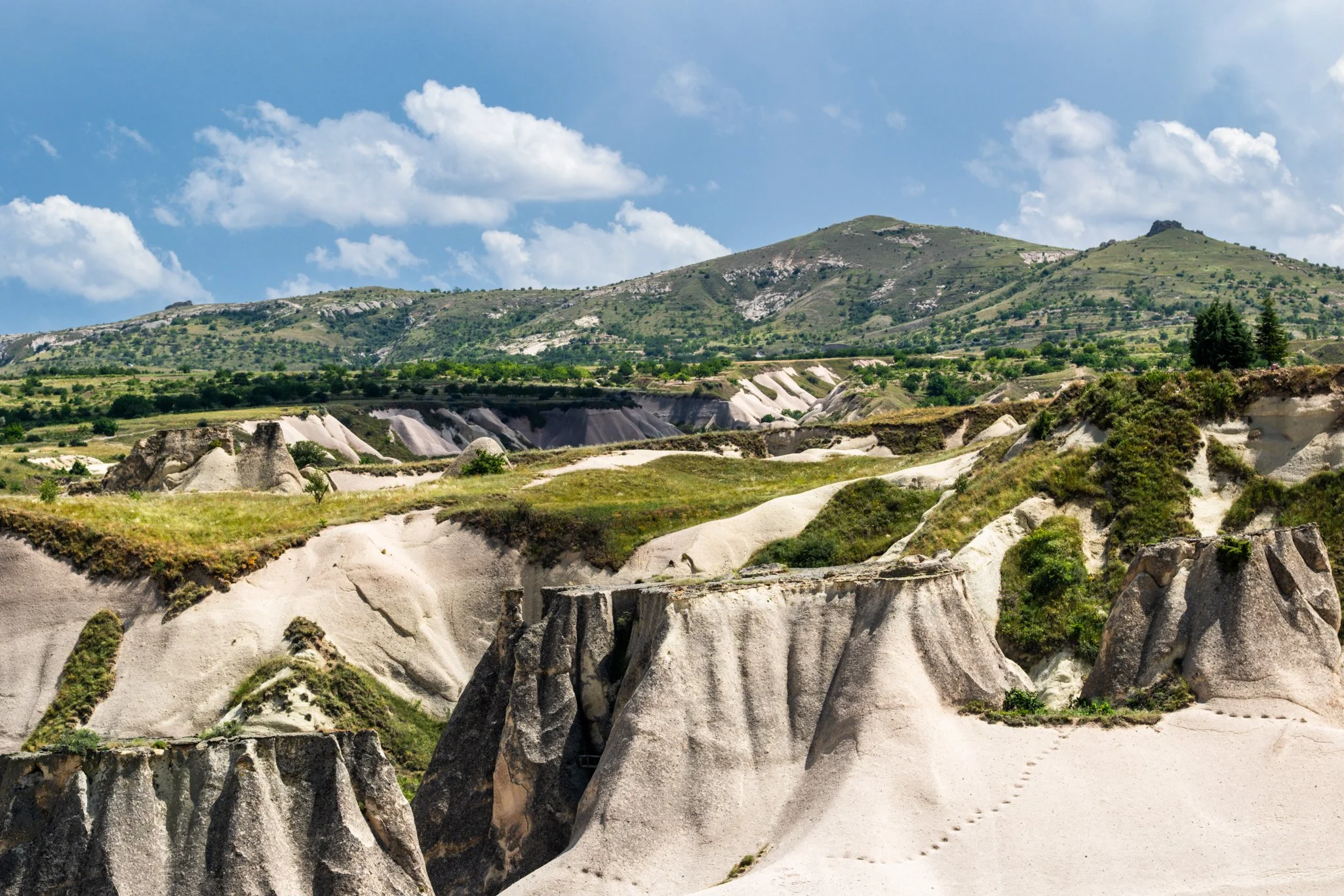
Göreme Valley Landscape
Learning to Slow Down
Returning to familiar places has taught me patience.
It has taught me that meaningful photographs are often discovered gradually rather than captured immediately.
Most importantly, it has taught me that landscapes reveal themselves over time.
The world encourages speed. Photography often encourages productivity.
But some places ask us to slow down.
To observe.
To wait.
To return.
The photographs that matter most to me are often the result of that process.
Not a search for something new, but a deeper understanding of something familiar.
Final Thoughts
When people ask about my favorite places to photograph, they are often surprised that my answer is not a specific destination.
It is the places that I have returned to most often.
Certain stretches of coastline.
Certain roads.
Certain overlooks.
Places that have become familiar enough for me to stop looking for photographs and start paying attention.
Because the longer I spend with a landscape, the more it has to teach me.
And sometimes the most rewarding photographs are not found by moving on to somewhere new, but by returning to a place we thought we already knew.